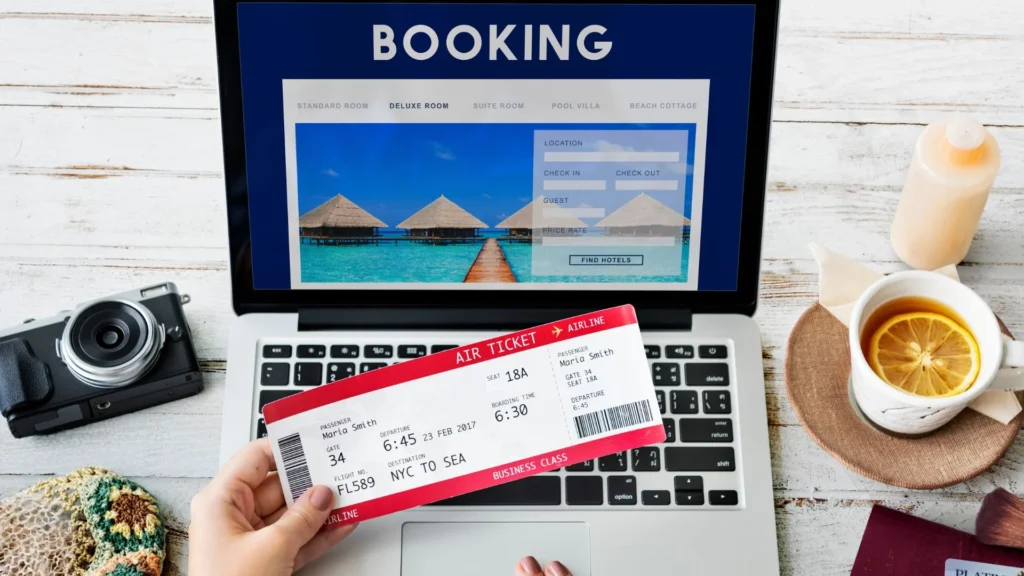
The real cost of booking hotels online for business trips goes far beyond the room rate you see on the screen. While it may look cheaper at first, hidden fees, policy gaps, and time spent managing bookings often increase overall corporate travel costs in ways companies do not immediately notice.
Many organizations rely on online platforms for convenience, but that ease can come with trade-offs. From last-minute price changes to limited flexibility, these small factors quietly add up over time.
This blog breaks down the visible and hidden costs, compares booking approaches, and helps you understand where businesses actually spend more than expected.
Understanding the Visible vs Hidden Costs
At first glance, online hotel bookings seem straightforward. You pick a hotel, compare prices, and confirm the reservation.
But there are two layers to consider:
Visible Costs
These are the costs you expect:
- Room rates
- Taxes and service charges
- Add-ons like breakfast or upgrades
These form the basic structure of most hotel booking costs, and they are easy to track.
Hidden Costs
This is where things get more complex.
Hidden costs often include:
- Cancellation or modification fees
- Dynamic pricing fluctuations
- Currency conversion charges
- Limited refund policies
Individually, these may seem minor. Over multiple trips, they significantly increase overall business travel expenses.
Where Online Booking Starts to Cost More
Online platforms are designed for convenience, not necessarily for long-term cost efficiency.
1. Price Volatility
Hotel prices change frequently. What looks like a good deal today may not hold tomorrow.
- No guaranteed corporate rates
- Sudden price spikes during peak demand
- Limited negotiation power
This unpredictability makes hotel booking costs harder to control.
2. Lack of Centralized Control
When employees book individually, companies lose visibility.
This leads to:
- Inconsistent pricing
- Policy violations
- Difficulty tracking spending
Without structure, business travel expenses become harder to manage effectively.
3. Time as a Hidden Expense
Time spent searching, comparing, and booking is often ignored.
But consider this:
- Employees are spending hours on bookings
- Admin teams fixing errors or changes
- Finance teams reconciling scattered invoices
Time is a real cost, and it directly impacts corporate travel costs even if it is not listed on a bill.
Comparing Online Booking vs Managed Travel
To understand the real impact, it helps to compare both approaches.
Online Booking Platforms
Pros:
- Quick and accessible
- Wide range of options
- Easy price comparison
Cons:
- Limited control over policies
- Hidden fees and inconsistencies
- No negotiated corporate benefits
Managed Corporate Travel
Pros:
- Pre-negotiated rates
- Policy compliance
- Centralized reporting
Cons:
- Slightly less flexibility in choices
- Requires structured planning
In many cases, managed travel reduces long-term hotel booking costs despite appearing less flexible.
The Real Impact on Business Travel Expenses
When companies rely heavily on online bookings, costs tend to spread across multiple areas.
Key areas affected:
- Overpayment on rates due to lack of negotiation
- Higher cancellation costs from rigid policies
- Duplicate or incorrect bookings
- Untracked expenses across departments
All these factors contribute to rising business travel expenses, often without clear visibility.
Common Questions About Online Hotel Booking
Is online booking always cheaper?
Not necessarily. While initial prices may seem lower, additional fees and lack of corporate discounts often increase total spend.
Why do companies still use online platforms?
Mainly for convenience. They are easy to access and require no setup, which works for small or infrequent travel needs.
Can small businesses benefit from managed travel?
Yes, even smaller teams can reduce corporate travel costs by using structured booking systems or travel partners.
Are hidden fees avoidable?
Partially. Reading policies carefully helps, but some costs, like dynamic pricing, are unavoidable in online systems.
How to Reduce Hotel Booking Costs Effectively
A smarter approach does not always mean avoiding online platforms completely. It means using them wisely.
Practical steps to control costs:
- Set clear travel policies
- Define budget limits
- Standardize hotel categories
- Use preferred hotel partners
- Negotiate fixed rates
- Build long-term relationships
- Centralize bookings
- Avoid scattered reservations
- Improve cost tracking
- Monitor spending regularly
- Identify patterns
- Adjust strategies based on data
These steps help balance flexibility with cost control.
Why Experience and Cost Must Work Together
Cost control should not come at the expense of employee comfort.
A poorly planned stay can lead to:
- Lower productivity
- Travel fatigue
- Reduced satisfaction
The goal is not just to cut costs, but to manage them in a way that supports both employees and the business.
Conclusion
Booking hotels online may seem simple, but the true cost goes beyond what appears on the screen. From hidden fees to time spent managing bookings, small inefficiencies can quickly add up. Understanding the difference between visible pricing and actual spend is key to making better decisions.
By taking a more structured approach, companies can reduce unnecessary expenses while improving the travel experience. Managing corporate travel costs is not about avoiding online tools entirely, but about using them with clarity, control, and a long-term perspective.