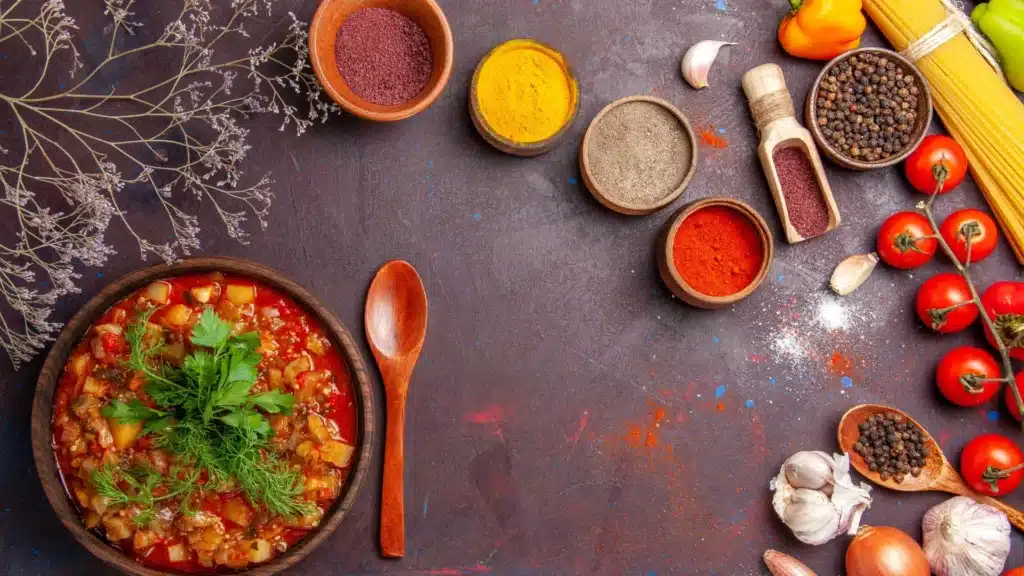
Food in Coorg doesn’t announce itself loudly. It doesn’t need to. Flavours here arrive slowly, settle in, and stay with you long after the meal ends. That’s the quiet magic of Coorg spices, grown in forested slopes and used with patience rather than precision. Nothing is rushed. Nothing is overdone.
From pepper vines climbing tall trees to cardamom drying in shaded corners, these ingredients shape dishes that feel grounded and comforting. Cooking here isn’t about exact measurements. It’s about instinct. Timing. Knowing when to wait.
This blog explores how local spices come together in everyday and festive recipes that define Coorg’s food culture.
Understanding the Flavour Language of the Region
The climate and elevation allow spices to develop depth without harshness. Pepper delivers warmth, not shock. Cardamom stays fragrant, almost floral. Cinnamon and cloves sit quietly in the background, adding body rather than sweetness. These ingredients are usually used whole or freshly ground, keeping flavours clean and layered.
In many homes, spices are roasted gently and added in stages. Rushing them ruins the balance. Letting them bloom slowly is the secret. This careful handling is what gives dishes their unmistakable character, even when ingredients are simple.
Pandi Curry and the Art of Slow Cooking
Pandi curry is built on pepper, cumin, coriander, and kachampuli, a traditional souring ingredient. The pork cooks slowly, absorbing flavour instead of being coated by it. No thick gravy. No excess oil. Just time doing its job.
What makes this dish special is restraint. The spice mix is roasted just enough, then left to work its way into the meat as it simmers. Served with plain rice or rice cakes, it shows how Coorg spices shine best when they’re trusted, not pushed.
Kadambuttu and Coconut-Based Pairings
Kadambuttu, a soft steamed rice dumpling, looks almost too simple. And that’s the point. On its own, it’s neutral and gentle. Paired with lightly spiced coconut sides, it becomes complete.
Pepper, mustard seeds, and curry leaves bring warmth without stealing attention. The contrast is what works. Soft meets aromatic. Mild meets bold. This pairing reflects how balance plays a bigger role in Coorg cooking than complexity ever could.
Chicken Curries That Skip the Heat
Instead of heavy chilli-based masalas, most recipes lean into pepper and coriander. The chicken cooks with onions, ginger, garlic, and freshly ground spices, creating a curry that feels lighter but deeply satisfying.
Spices are added gradually. Nothing is dumped in at once. This slow build keeps bitterness away and lets flavours round out naturally. It’s the kind of dish that pairs beautifully with rice and even better with a quiet evening, maybe alongside a cup of Coorg coffee enjoyed without hurry.
Seasonal Bamboo Shoot Dishes
Fresh shoots need careful preparation to remove bitterness. Once ready, they’re cooked simply. Pepper. Garlic. Mustard seeds. That’s usually enough. The aim is to highlight the ingredient, not bury it.
In many homes, bamboo shoot dishes appear only during certain seasons. That scarcity makes them special. The flavours are earthy, clean, and deeply tied to the land. It’s food that feels rooted, not trendy.
Sweet Dishes with Subtle Spice
Cardamom and cinnamon are the stars, often paired with jaggery, rice flour, or coconut. The sweetness is gentle. The spice adds warmth, not drama.
One common method involves melting jaggery with cardamom before mixing it into rice or coconut preparations. The result is comforting and fragrant, designed to close a meal softly. These sweets pair naturally with evening conversations and, occasionally, another cup of Coorg coffee.
Everyday Cooking and Simple Spice Blends
Daily cooking relies on small additions. A pinch of pepper in vegetables. A crushed cardamom pod in tea. A hint of cinnamon in lentils. These little choices shape meals that feel familiar but never boring.
Common combinations often include:
- Pepper and cumin for warming vegetable dishes
- Mustard seeds and curry leaves for tempering
- Cardamom and jaggery for simple sweets
For visitors curious about sourcing these ingredients, a local Coorg shopping guide often leads to spice shops where freshness matters more than packaging.
Cooking with These Spices at Home
Freshness is the real secret. Whole spices should be lightly roasted and ground just before use. Heat needs attention. Too high, and flavours turn bitter. Too low, and they never open up.
Letting dishes rest helps, too. Many recipes taste better after sitting for a while, once the coorg spices have settled and blended. Pair the experience with slow meals, relaxed evenings, and maybe some browsing through a Coorg shopping guide to bring more of these flavours home.
Conclusion4
These dishes aren’t designed to impress instantly. They unfold, slowly and honestly. That’s the beauty of Coorg spices. They reflect the land they come from and the way life moves here. For those looking to take a piece of that flavour home, a thoughtful Coorg shopping guide often points to local markets and spice sellers where quality and freshness still matter.
Whether it’s a slow-cooked curry, a soft rice dumpling, or a lightly spiced sweet, each recipe carries patience within it. Add a cup of Coorg coffee, a quiet kitchen, and ingredients picked with care, and the result is more than a meal. It’s memory. It’s place. And it’s a story that keeps repeating, bite after bite.