Family trips are always a bit of a balancing act. You want something exciting, but not exhausting. Educational, but not boring. Close to nature, yet safe and manageable for everyone. That’s where dubare forest madikeri quietly fits in better than most places.
Set beside a gentle river and wrapped in forest, this part of Coorg doesn’t rush you. It invites you in slowly. Kids get wide-eyed at the sight of elephants. Adults finally stop checking the time. And the best part? Everyone ends the day feeling like they actually experienced something, not just passed through it.
This blog looks at how to plan a visit that keeps the whole family comfortable, curious, and genuinely enjoying the time together.
Understanding What the Forest Really Offers
Dubare Forest isn’t built for fast sightseeing or loud entertainment. It’s a working forest area where elephants are cared for, routines are followed, and nature sets the pace.
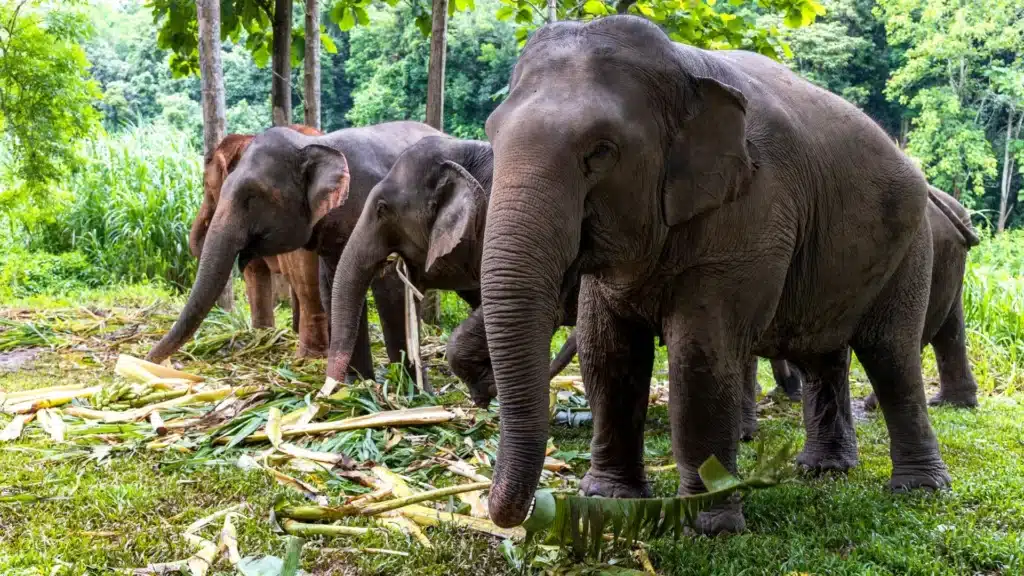
Most visitors come for the elephant camp. Watching elephants being bathed in the river or guided through their daily care routines feels honest, not staged. Beyond that, there are quiet riverbanks, shaded walking paths, and open areas where the forest simply… exists. No flashing signs. No forced attractions.
That difference matters, especially for families. Children aren’t overstimulated. Adults aren’t rushed. The experience feels real, grounded, and refreshingly simple. Understanding this before arriving helps set expectations. This isn’t about squeezing in activities. It’s about being present and letting the day unfold naturally.
Choosing the Right Time for a Comfortable Visit
The most comfortable months are generally from October to March. The air is cooler, humidity stays low, and moving around outdoors feels easy for both children and older family members. The forest stays green, the river flows steadily, and wildlife activity is visible without extreme conditions.
Monsoon months bring dramatic beauty, but also heavy rain and slippery paths. That can make movement tricky, especially with young kids or elderly parents. Summer, on the other hand, is warmer and drier, which can make longer walks tiring. Choosing the right season means the trip feels relaxed rather than rushed.
Planning the Journey and Arrival
Dubare Forest is located near Madikeri and is easily reached by road. The final approach can involve crossing the river, depending on water levels and time of year.
For families, mornings work best. The temperature is cooler, elephants are often more active during their routines, and crowds tend to be lighter. An early start also gives flexibility. There’s no pressure to hurry through the experience.
If traveling with children, short breaks along the way help. Carry water, light snacks, and anything needed for comfort. The drive itself becomes part of the journey, with winding roads, changing scenery, and that quiet shift from town life into forest calm.
Making the Elephant Experience Meaningful for Kids
Watching elephants bathe in the river or interact with their caretakers leaves a lasting impression, especially on children. It’s not a show. It’s real life. You see how these animals are cared for, how routines are maintained, and how respect guides every interaction.
To make it more meaningful, encourage kids to observe quietly. Ask what they notice. Why does the caretaker stand there? Why does the elephant move like that? Small questions turn simple moments into learning. It also opens up conversations about wildlife care, responsibility, and why distance and rules exist. What could’ve been just another sightseeing stop becomes something they actually remember.
Exploring Without Overloading the Day
This forest is best enjoyed slowly. There are shaded paths to walk, riverbanks to sit by, and natural spots where doing nothing feels surprisingly good. A gentle stroll, time near the water, and the elephant experience are often more than enough for one day.
Children benefit from unstructured time in nature. Let them spot insects, listen to birds, or walk quietly along the river. These simple moments often become the most talked-about parts of the trip later. Not the photos. The feeling.
Packing Smart for Comfort and Safety
Wear light, breathable clothes and sturdy footwear when visiting dubare forest madikeri. Forest paths can be uneven, and a little preparation goes a long way: hats, sunscreen, and insect repellent help, especially in warmer months. A small backpack with water, snacks, and basic first-aid items keeps everyone prepared without adding stress.
It also helps to leave unnecessary gadgets behind. Loud devices, extra accessories, or anything that distracts from the surroundings can pull attention away from what makes this place special. Simplicity works best here.
Choosing Where to Stay Nearby
While the forest can be explored in a single day, staying nearby changes the entire experience.
Madikeri and the surrounding areas offer everything from homestays to nature-focused resorts. For families, look for places with spacious rooms, easy meal options, and a calm environment. Being close means there’s no rush to leave before sunset.
Evenings spent in quiet surroundings often become the most cherished part of the trip. Stories are shared. Laughter carries. And everyone actually rests. That sense of continuity turns a day visit into something fuller, something that feels like real travel.
Teaching Respect for Nature Through the Visit
One of the most valuable lessons children take away from this place isn’t about animals. It’s about respect.
Following guidelines, keeping noise low, avoiding litter, and watching wildlife from a distance all send a message. Nature isn’t here for entertainment. It’s here to be protected. These habits, once learned in a setting like this, tend to stay.
Simple conversations help too. Why is the forest protected? How do animals depend on their environment? What happens when people don’t take care? The visit becomes more than enjoyable. It becomes meaningful.
Managing Expectations as a Family
Every family travels differently. Some kids will be fascinated by elephants. Others might prefer walking or sitting by the river. Some adults may want to explore more. The beauty of this place is its flexibility.
There’s no single “right” way to experience it. Let the day breathe. Built-in rest. Allow curiosity to lead. And accept that not every moment needs to be productive or planned. When expectations stay gentle, the experience feels richer.
Conclusion
Dubare forest madikeri offers something rare in today’s travel culture. A chance to slow down together.
It’s not about rides or crowded schedules. It’s about quiet moments, shared discovery, and the kind of learning that happens naturally when families step into nature. Watching elephants at the river. Walking under the shade. Sitting without checking the time. Every part invites presence.
With thoughtful planning, the right season, and a relaxed mindset, a family visit to dubare forest madikeri becomes more than an outing. It becomes a memory built on simplicity, connection, and calm. And long after the journey ends, dubare forest madikeri is remembered not for what was done, but for how it made everyone feel.