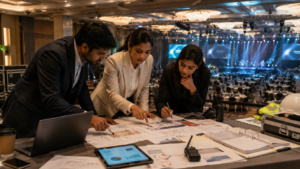
Every successful event looks effortless on the surface. Guests arrive on time, sessions flow smoothly, venues feel intentional, and nothing appears rushed or out of place. What often goes unseen is the detailed work behind it all. This is where an experienced event planner company plays a central role, shaping ideas into structured experiences that actually work in real-world conditions.
In corporate environments, especially, events are no longer side activities. They are business tools. Product launches, leadership meets, incentive programs, and conferences all carry expectations around branding, engagement, and outcomes. Managing this internally can stretch teams thin, which is why professional planners are increasingly relied upon.
This blog walks through what an event planner company does, step by step, from the first idea to the final execution on ground.
Understanding the Purpose Before Anything Else
Before venues, vendors, or schedules are discussed, a good planner starts with intent. Why is the event happening? Who is it for? What should people walk away with?
These early conversations often shape everything that follows. A leadership retreat requires a different tone than a sales kickoff. A client-facing conference has different priorities compared to an internal offsite. Clarifying these details early avoids confusion later.
This phase may feel abstract, but it is critical. It creates a framework that guides every decision.
Translating Ideas Into a Practical Concept
Once objectives are clear, planners move into concept development. This is where ideas begin to take shape in tangible ways.
Concept planning includes elements such as event format, flow, scale, and overall experience. It considers how long sessions should be, how much downtime is needed, and how attendees will move through the event.
At this stage, creativity meets practicality. Concepts must excite, but they also need to fit budgets, timelines, and logistical realities.
Budget Planning and Cost Structuring
Budget discussions are rarely glamorous, but they are essential. An experienced planner helps allocate funds intelligently rather than evenly.
Instead of spreading the budget thin, they prioritize elements that matter most to the event’s goals. For some events, that may be production quality. For others, it could be venue comfort or speaker experience.
Clear cost tracking from the beginning also prevents unpleasant surprises later. This transparency builds trust and allows for informed decisions throughout planning.
Venue Research and Selection
Venue choice can define an event’s success. Planners evaluate venues not just for aesthetics, but for accessibility, capacity, technical readiness, and flow.
They also consider factors like travel time, nearby accommodations, and local infrastructure. These details matter more than most people expect, especially for multi-day or multi-session events.
Site visits, layout planning, and coordination with venue teams all happen during this phase.
Vendor Coordination and Management
An event involves many moving parts, from audio-visual teams and caterers to decorators and transport providers. Coordinating these vendors is one of the most time-consuming aspects of planning.
Professional planners manage vendor selection, negotiations, timelines, and deliverables. They ensure everyone understands expectations and works toward the same schedule.
This coordination reduces risk and keeps accountability clear, which becomes invaluable as the event date approaches.
Gradually, it becomes clear why relying on an event planner company makes sense. Complexity increases, timelines overlap, and small decisions begin to have larger consequences. Having a single team overseeing the entire picture keeps things aligned.
This is also where experienced planners quietly prevent issues before they surface.
Detailed Scheduling and Run-of-Show Planning
As the event nears, planners move into detailed scheduling. This includes session timings, rehearsals, setup windows, and contingency buffers.
A clear run-of-show document helps everyone stay on the same page. It outlines who does what, when, and where. This level of detail allows the event to flow naturally without constant intervention.
Well-planned schedules feel flexible to attendees, even though they are carefully structured behind the scenes.
Guest Experience and Communication
Communication plays a major role in how events are perceived. Invitations, reminders, itineraries, and on-site guidance all contribute to the overall experience.
Planners ensure messaging is clear and timely. They anticipate questions attendees might have and address them proactively. This reduces confusion and helps people feel comfortable navigating the event.
Attention to these details often defines whether an event feels polished or chaotic.
On-Ground Execution and Supervision
Execution day is where planning meets reality. Planners arrive early, coordinate setups, manage vendors, and handle last-minute changes.
No matter how well an event is planned, adjustments are inevitable. A speaker may arrive late. Weather may shift plans. Technology may need quick fixes. Experienced planners handle these calmly, without disrupting the overall experience.
Their presence allows internal teams to focus on hosting rather than troubleshooting.
Real-Time Problem Solving
One of the most valuable aspects of professional planning is problem resolution. Issues are addressed quietly, often before attendees even notice.
This includes backup plans for equipment, alternate schedules, or quick vendor replacements if required. These moments rarely make it into post-event summaries, but they protect the event’s success.
This is where seasoned event planner services truly show their value.
Post-Event Wrap-Up and Evaluation
Once the event ends, the work is not over. Planners manage vendor settlements, collect feedback, and review outcomes against objectives.
Post-event analysis helps organizations understand what worked and what can improve. This insight informs future planning and strengthens long-term strategy.
A thoughtful wrap-up ensures the event’s value extends beyond its final session.
Why the Process Matters More Than It Appears
From concept to execution, planning is about connecting dots that may not seem related at first. Logistics, creativity, communication, and timing all intersect.
The role of an event planner company is to manage these intersections smoothly. Their work supports not just the event itself, but the people and goals behind it.
Conclusion
Understanding what an event planner company does from concept to execution reveals how much structure supports every successful event. From shaping ideas and managing budgets to coordinating vendors and overseeing execution, each step builds toward a cohesive experience.
For organizations hosting corporate events, working with professionals ensures that effort is invested where it matters most. When planning is handled thoughtfully, events stop feeling stressful and start delivering real value, long after the final guest leaves.