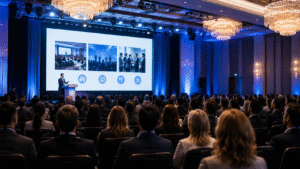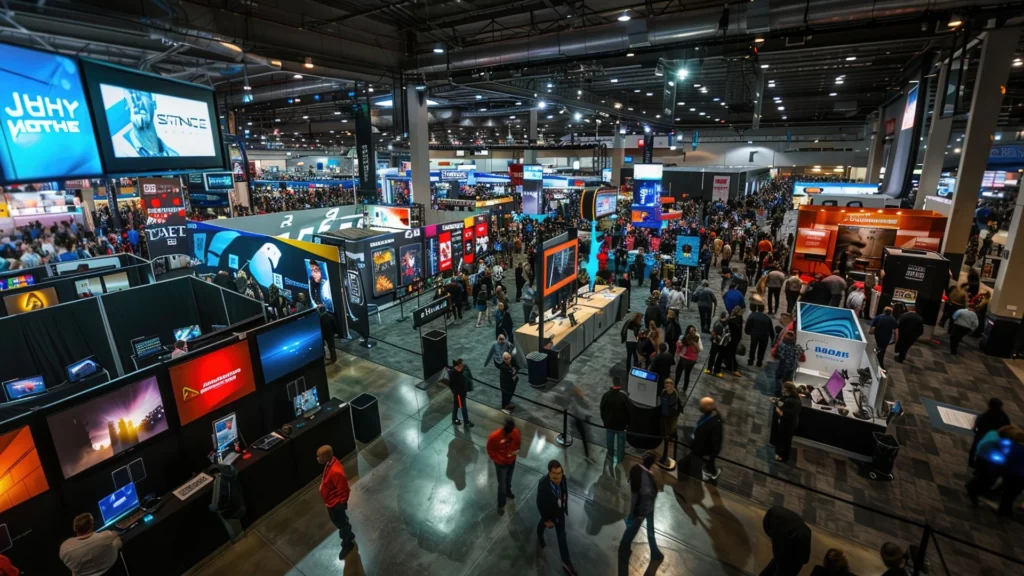
When the world comes together for major gatherings like a corporate event, global trade shows, or championship matches, the spotlight is always on what happens on stage. The lights, the crowd, the perfectly timed presentations. Yet behind that polished spectacle is a very busy network of people making sure guests, staff, and equipment reach the right place at the right moment. Corporate travel management teams are usually the ones quietly holding everything in place. And here is the thing. It is not simply about flights and hotel rooms.
There is a lot of psychology involved, a lot of adapting to unpredictable situations, and a whole lot of staying calm even when the clock is ticking. That is where the magic happens, long before anyone arrives at the venue.
This blog looks at what really happens behind closed doors to make huge gatherings run smoothly, especially when people come together from everywhere.
The High Stakes of Event Travel
Pulling off a seamless event is like conducting a giant orchestra. Everyone needs to show up on time, or the rhythm goes off. Especially in a corporate event environment, where a late arrival can delay a meeting that affects dozens of schedules.
Participants come from everywhere. Speakers flying in after long journeys, VIP guests with security needs, media crews that must set up before the crowd arrives. If one piece gets delayed, the ripple effect can be surprisingly big.
Travel coordinators constantly think about things like:
• Preventing congestion by arranging arrivals in manageable waves
• Group bookings so attendees stay near each other
• Quick adjustments when flights shift or weather surprises everyone
There is always someone on the phone, laptop open, refreshing tracking tools while keeping a friendly tone. The goal is simple. No surprises that turn into stress.
It Feels Personal, Even When It Is Large Scale
You might assume that when thousands of travelers are involved, the process becomes generic. Actually, the opposite usually happens. People expect comfort. They appreciate clarity. Some need accessibility support. Others may have special diets. And performers sometimes arrive with bulky equipment that needs delicate handling.
So the teams in charge keep a close eye on:
• Hotel room setups that suit each type of guest
• Visa assistance for international delegates
• On-ground transfers that match personal schedules
• Languages guests might need for smooth communication
A small touch goes a long way. It sets the tone before the event even begins.
Technology That Keeps Everything Moving
It is honestly fascinating how tech has transformed travel in recent years. Those spreadsheets and endless email chains that used to be the norm are now replaced by smart platforms that show real-time updates. And travel organizers really rely on that.
With digital tools, they can:
• See if a flight is running late and instantly notify the traveler
• Send reminders right when someone might forget
• Track vehicles so no one waits confused outside a terminal
• Use apps for check-ins so lines do not get wild
Corporate travel management teams, especially, depend on these tools because the speed of decisions can make or break the day. And since travel and expense management are usually linked to the same system, organizers can monitor budgets rather than scrambling for receipts later.
Preparing for the Unexpected
There is always a backup plan. Sometimes two or three. Because the world does not pause just because a major gathering is happening.
Risk assessments are part of the routine. If a region is dealing with storms or crowded airports, or political tension, the travel team knows about it far in advance. They talk to local partners. They make sure reliable transportation is ready. They have direct contact with authorities if anything needs clearance or extra security.
I guess you could say they are the first to notice trouble and the last to sleep when something unexpected shows up.
Travel and expense management also fits into this because sudden changes can affect costs. Quick decisions must still stay within planned budgets without compromising safety.
A Step Toward Greener Events
People are more conscious today about how travel affects the environment. Event organizers know that sustainability is not just a nice idea. It is a responsibility.
Travel planners help by:
• Encouraging carpools or shuttle services
• Picking hotels with strong environmental standards
• Using airlines offering eco-friendly options
• Cutting back on paper and switching to digital guides
When thousands of people are involved, even a tiny adjustment can lead to a big positive change.
Communication Creates Confidence
Travel, especially long-distance travel, can stress people out. So clear, friendly communication becomes incredibly important. If travelers know what comes next, they relax. They enjoy the experience.
Attendees usually receive:
• Notices about itinerary changes
• Cultural and safety tips for the destination
• A contact person who is reachable if something feels confusing
• Help desks on site for quick clarifications
Honestly, a friendly message at the right time can rescue a whole day.
Corporate travel management teams are especially careful about communication since confusion can lead to late arrivals or lost productivity. And when travel and expense management details are shared clearly, people feel more in control.
Everything Depends on Teamwork
These travel pros are always synced with other event departments. Security, venue staff, catering, production. If one group shifts its schedule, travel has to adjust. It is a chain that needs constant coordination.
And while it might seem stressful, this collaboration is what makes big events so satisfying when everything finally falls into place.
Somewhere in the middle of all of this, the corporate event itself is benefiting hugely from travel planning that keeps people exactly where they need to be.
Conclusion
The truth is, the success of any major event relies heavily on the people behind the curtain. The ones you rarely see. They arrange safe arrivals, handle hiccups with a smile, and often solve problems before anyone else even knows they existed.
Event travel management is not just logistics. It is storytelling through movement. It creates the setting for memories to unfold. And it is a big reason why a corporate event ends up feeling smooth and enjoyable rather than chaotic. Behind it all, corporate travel management plays a key role in coordinating every detail so attendees experience seamless arrivals, transfers, and accommodations.
So next time you attend a huge celebration or conference, just take a quick moment to think about the journey that brought everyone there. If everything felt easy, you can thank the people who kept it all together from the start.