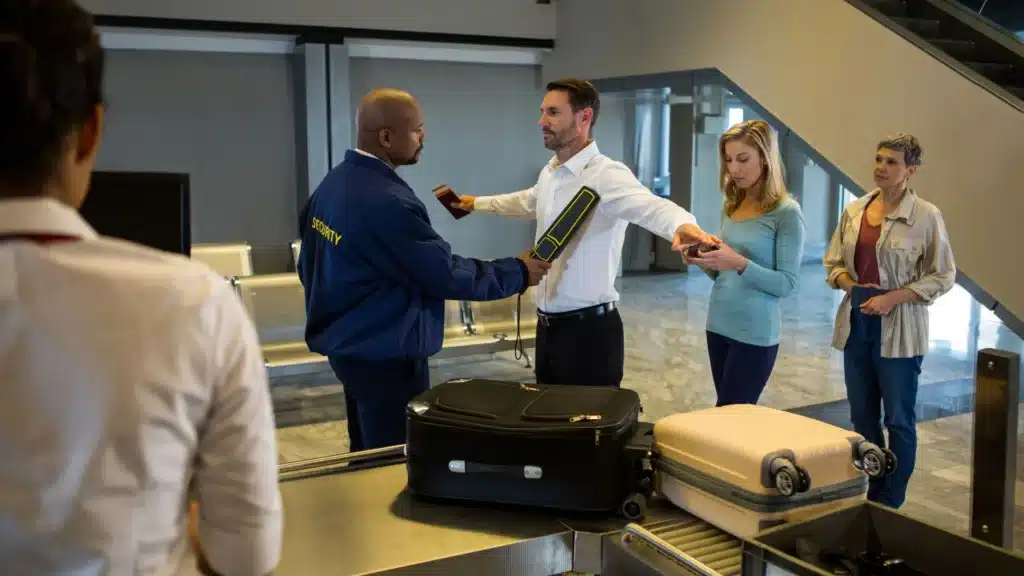
Business travel safety might sound like a boring checklist, but trust me, it becomes very real the moment something goes wrong. You’ve probably seen it happen. On the surface, business travel looks simple. Book a flight, grab a hotel, hop into a cab, and boom, another productive trip. But if you’ve ever been the person responsible for sending someone out, you already know there’s a lot more going on beneath that clean little itinerary. And honestly, keeping employees safe isn’t just about precaution. It’s about responsibility. And respect.
This blog walks you through the essential safety steps every company should take before sending an employee on the road.
Why Travel Safety Needs Serious Attention
Once travelling for work becomes routine, people start taking shortcuts. They stop double-checking details, they ignore small risks, and they assume everything will go smoothly because it always has. But travel has a funny way of revealing the unexpected. A delayed flight. A transport issue. A sudden rule change at a destination. Nothing major on its own, but enough to throw someone off their rhythm.
That’s why companies need clear guidelines. Not to scare people, but to give them a foundation to lean on when things get unpredictable.
Thorough Pre-Travel Briefings
Before someone heads to the airport, they deserve a proper picture of what they’re walking into. Even seasoned travelers need updates because things change fast. A new local law. A weather alert. A strike affecting transport. Stuff no one expects.
A good pre-travel briefing usually includes:
• Weather, local culture, and basic safety tips
• Rules or restrictions they should know
• Hotel and transport details
• Emergency contacts
• Any alerts or sudden changes they should prepare for
You’d be surprised how much calmer people feel when they know what’s ahead instead of guessing.
Smart Itinerary Planning
Ever seen someone sprinting through an airport with their backpack half open? That’s what a bad itinerary does. It creates chaos for no reason. A well-planned schedule, on the other hand, keeps things predictable. No frantic rushing. No wandering around at strange hours. No unnecessary risks.
A smart itinerary usually includes practical travel hours, safe routes with reliable transport, enough buffer time between meetings or commitments, properly verified hotel details, and even a backup plan in case something shifts unexpectedly. It doesn’t need to be complicated. It just needs to make sense. A good itinerary doesn’t have to be perfect. Just sensible.
Health Preparedness on the Road
Business trips can be physically draining. New environments, long hours, unfamiliar food. It all adds up. That’s why travelers should have a few essentials in place so small issues don’t escalate into major problems.
Helpful health practices include:
• A small kit with medicines they personally rely on
• Knowing nearby clinics or hospitals
• Staying mindful of food and water quality
• Managing tiredness, especially during long trips
• Understanding their travel insurance coverage
Healthy employees travel better. It’s really that simple.
Cyber Safety for Travelers
When someone travels with a laptop full of company files, the risk isn’t just physical. Digital threats follow them, too. Public Wi-Fi is convenient, sure, but also risky. And travelers often connect without thinking twice.
Key cyber safety steps include:
• Avoiding public networks for work
• Using a secure VPN
• Keeping devices locked
• Switching off Bluetooth when not needed
• Being cautious with unknown links or downloads
This is where business travel safety plays a huge role, because digital security is no less important than physical security.
Emergency Response Support
Emergencies don’t give warnings. Lost passport, missed flight, unexpected illness. These things happen, even to the most organised travelers. What matters is how quickly help arrives.
Strong emergency support usually involves:
• A single person or a hotline they can reach anytime
• Immediate access to alternative bookings
• Clear reporting steps
• Embassy or consulate contacts (for international trips)
• Someone checking in after an incident
When employees know help is just a call away, they travel with a lot more confidence.
Safe Accommodation Standards
The hotel becomes a traveler’s home. Their quiet zone. Their recharge spot. Choosing the right one makes a world of difference. And it’s not always the fancy ones that matter. It’s the safe ones.
Safe accommodation usually means staying in a secure, well-reviewed area, choosing hotels with proper front desk support and reliable security, ensuring easy access to transport, checking that rooms are clean with dependable internet, and making sure there’s a comfortable workspace available. These simple details shape the entire travel experience. A safe room isn’t just comfort. It’s peace of mind.
Smart Local Navigation
Navigating a new city can be tricky. And a little risky if someone’s not paying attention. Travelers often underestimate how different local transport, streets, or neighborhoods can feel.
Helpful habits include:
• Using trusted transport services
• Avoiding isolated places at night
• Saving important spots on their phone
• Keeping valuables discreet
• Staying aware instead of multitasking while walking
Small, mindful actions go a long way.
Conclusion
Business travel safety isn’t just another corporate guideline. It’s a culture. A promise that your employees won’t be left guessing or struggling when they’re far from home. With strong protocols, clear communication, and a supportive system, companies turn travel into something empowering instead of stressful. And when employees feel protected, they work better, represent better, and travel with confidence knowing their safety truly matters.