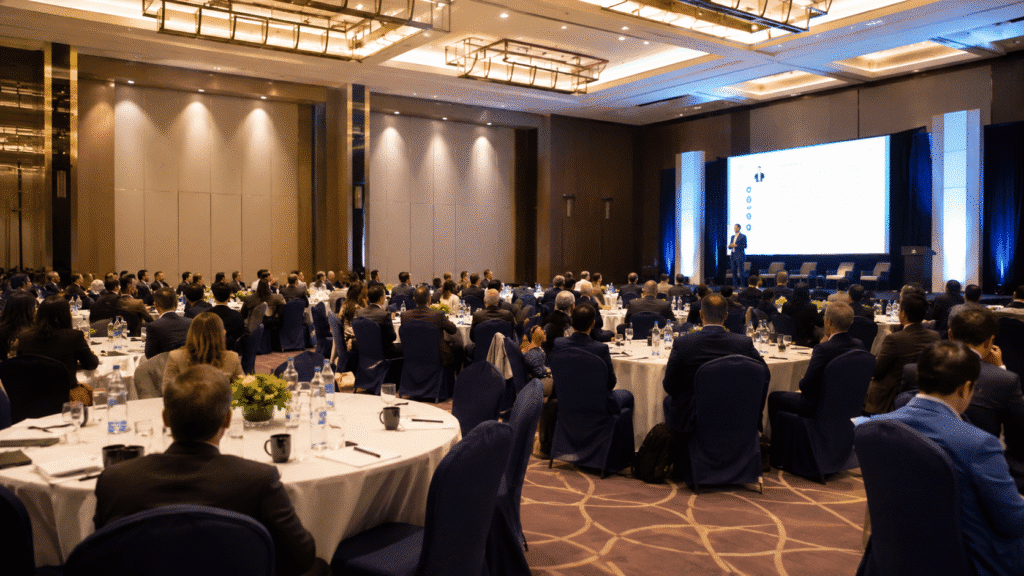
Corporate events always look smooth from the outside. Guests arrive, presentations begin on time, the stage looks perfect, travel runs properly, and everything feels organized. But behind that polished experience? A lot is happening quietly in the background. That’s exactly where corporate event management services come in.
A corporate events company handles far more than decorations and venue bookings. It manages logistics, attendee coordination, travel, technical support, vendor communication, scheduling, and problem-solving, sometimes all at once. And honestly, the bigger the event gets, the more valuable that support becomes.
Most businesses realize this only after trying to manage an event internally for the first time. Things pile up quickly. Timelines shift. Vendors delay responses. Small issues suddenly become stressful.
This blog discusses the key services corporate events companies provide and why businesses rely on them to keep events running smoothly from start to finish.
Understanding What a Corporate Events Company Actually Does
A corporate events company helps businesses organize professional events efficiently. These may include:
- Conferences
- Leadership meetings
- Employee offsites
- Product launches
- Client events
- Award ceremonies
Good corporate event planning is not only about making an event look impressive. It’s about making sure every moving part works together properly.
And trust this, there are always a lot of moving parts.
Venue Selection and Setup Planning
Choosing a venue sounds simple until the actual requirements start coming in.
One team needs breakout rooms. Another wants stage lighting. Someone suddenly asks about parking. Then comes seating arrangements, branding, sound systems... the list keeps growing.
Experienced event planning companies usually help with:
- Venue sourcing
- Seating layouts
- Stage setup
- Branding elements
- Lighting and audio coordination
The right venue changes the entire feel of a corporate event. A poor one does too, unfortunately.
Travel and Hotel Coordination
This part gets stressful very fast during large events.
Guests arrive from different cities. Flights change. Hotel check-ins need coordination. Airport pickups must happen on time. One delayed vehicle can throw off the entire schedule.
That’s why travel management becomes an important part of corporate event planning.
Most companies handle:
- Flight bookings
- Hotel reservations
- Airport transfers
- Group transportation
- Executive travel support
Many event planning companies now work closely with travel teams because corporate events and corporate travel are deeply connected.
On-Ground Event Execution
Planning is important. But event day? That’s where the real test begins.
Someone has to manage:
- Registrations
- Guests
- Stage timing
- Vendors
- Speakers
- Technical teams
All together. Simultaneously.
This is where corporate event management services become essential. Because live events rarely go exactly as planned.
A microphone stops working. A guest arrives late. Sessions run longer. Something always changes.
Good event teams handle these situations quietly without affecting the attendee experience.
Technical and Audio-Visual Support
Corporate events today depend heavily on technology. Probably more than people realize.
Presentations, LED screens, microphones, hybrid meetings, live streaming, every technical detail needs proper coordination.
Reliable event planning companies usually manage:
- Audio systems
- Presentation setup
- Video conferencing
- Live streaming
- LED screen coordination
- Lighting control
And honestly, technical problems during business events are hard to forget. Smooth technical execution makes a huge difference.
Why End-to-End Corporate Event Planning Matters
Some companies initially try splitting responsibilities internally.
One team handles travel. Another handles venues. Someone else coordinates vendors.
Then confusion starts.
Details get missed. Communication slows down. Timelines overlap.
That’s why businesses increasingly prefer end-to-end corporate event management services instead of partial support.
One coordinated team usually means:
- Faster communication
- Better execution
- Clear accountability
- Less operational stress
And honestly, much fewer last-minute surprises.
Vendor Coordination and Budget Control
This is one area businesses often underestimate.
Without proper planning, event costs can slowly increase through:
- Last-minute bookings
- Vendor delays
- Technical changes
- Extra transportation
- Schedule extensions
Experienced event planning companies usually already have vendor relationships and negotiated pricing structures. That helps businesses control budgets more effectively.
Organized planning almost always costs less than rushed coordination. Every single time.
Common Questions Businesses Usually Ask
Do event companies only handle large corporate events?
Not necessarily. Many companies manage smaller meetings and team events too.
Can they manage international attendees?
Yes. Most professional teams coordinate international travel, hotel stays, airport transfers, and event schedules.
Do they handle corporate travel as well?
Many companies offering corporate event planning also provide complete travel coordination for attendees and executives.
Is hiring professionals really worth it?
Usually yes, especially when multiple teams, cities, or vendors are involved. The operational pressure reduces significantly.
The Experience People Actually Remember
Most attendees won’t remember how many calls or approvals happened before the event. They’ll remember how smooth the experience felt.
Was registration quick?
Did transportation arrive on time?
Did sessions run properly?
Did everything feel organized?
That’s what shapes the overall impression.
Strong event planning companies focus heavily on these details, even the ones most guests never consciously notice.
And honestly, that invisible coordination is usually the reason successful events feel effortless.
Conclusion
Corporate events involve much more than stages, presentations, or venue decoration. They require planning, travel coordination, technical management, vendor handling, scheduling, guest support, and constant problem-solving behind the scenes. That’s why businesses increasingly depend on professional corporate event management services to keep events organized and stress-free.
The right event partner helps companies focus on their business goals while managing the operational complexity quietly in the background. Because in the end, successful corporate events are rarely remembered for how much work went into them. They’re remembered for how smoothly everything came together.