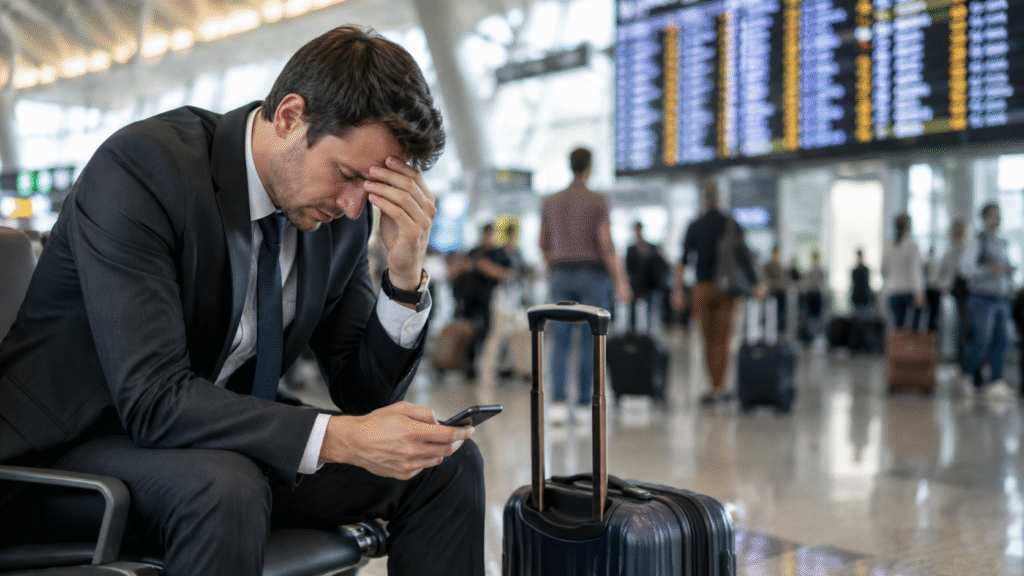
Peak travel season sounds exciting until corporate bookings start piling up all at once. Flights become expensive overnight, hotels disappear faster than expected, and schedules begin changing every few hours. Suddenly, what looked like a simple business trip turns into a full-time coordination exercise. That’s the reality behind almost every major business travel challenge during busy travel periods.
Corporate travel managers deal with pressure from every direction during these months. Employees expect smooth travel. Companies expect budget control. Vendors struggle with availability. And somehow, everything still needs to run on time. Honestly, it’s one of those roles people only fully understand after seeing the amount of coordination happening behind the scenes.
This blog discusses the biggest problems travel managers face during peak seasons, how those challenges affect business travel, and why proper planning becomes more important than ever during high-demand periods.
Flight and Hotel Availability Disappears Quickly
This is usually the first problem that shows up.
During peak seasons, flights fill up fast. Hotels too. A route that looked completely available on Monday suddenly becomes limited by Wednesday. Sometimes even earlier.
Travel managers often deal with:
- Limited seat availability
- Expensive hotel rates
- Uncomfortable flight timings
- Long airport layovers
- Last-minute booking pressure
A lot of these situations are tied directly to ongoing travel industry problems that become more visible during crowded travel periods.
And honestly, availability vanishes quicker than most people expect.
Budget Pressure Gets Much Harder to Control
Peak season pricing changes everything.
Flights increase. Hotels increase. Local transport costs rise too. Even simple itinerary changes can suddenly become expensive.
That creates a serious business travel challenge for companies trying to balance employee comfort with travel budgets.
Travel managers usually end up juggling:
- Budget approvals
- Employee schedules
- Flexible booking needs
- Hotel preferences
- Travel policy limits
Not easy. Especially when multiple employees are traveling at the same time to different destinations.
Last-Minute Changes Become More Complicated
Business travel rarely stays fixed for long. That’s just reality.
Meetings move. Conferences get extended. Clients change timings. Travelers suddenly need earlier flights or additional hotel nights.
During busy seasons, these adjustments become harder because alternative options are already limited.
This is one of the biggest challenges facing travel agencies too.
Because during peak periods:
- Rebooking options reduce quickly
- Hotel modifications cost more
- Flexible fares become limited
- Coordination takes longer
One small change can affect an entire travel schedule.
Group Travel During Peak Seasons Is Tough
Handling one business traveler is manageable. Managing a large corporate group during peak season? Completely different story.
Corporate events and conferences often involve:
- Multiple travelers
- Different arrival schedules
- Shared transportation
- Hotel coordination
- Event timing dependencies
And if one flight gets delayed, everything else can start shifting too.
This becomes a major business travel challenge, especially when companies are trying to coordinate large groups under tight timelines.
Honestly, group travel during busy seasons needs constant monitoring.
Traveler Safety and Duty of Care
Crowded airports. Delayed flights. Long queues. Unexpected cancellations.
Peak seasons naturally increase travel disruptions, which also increases responsibility for corporate travel managers.
They need to ensure:
- Employees travel safely
- Emergency support stays active
- Travelers receive quick updates
- Alternative plans remain available
Many current travel industry problems are closely linked to operational delays during high-demand periods, especially around holidays and conference seasons.
And when employees are traveling internationally, pressure increases even more.
Communication Starts Slowing Down
This part frustrates almost everyone.
Travel managers constantly coordinate with:
- Airlines
- Hotels
- Internal company teams
- Transportation providers
- Travelers themselves
During peak seasons, vendor response times often slow down because booking volumes increase heavily.
Several challenges facing travel agencies actually come from communication delays and overloaded support systems during busy periods.
A delayed response about one hotel booking can create unnecessary stress for an entire travel plan.
Why Corporate Travel Feels More Stressful During Busy Seasons
Normal travel periods are manageable. Peak season works differently.
Everything becomes more competitive:
- Hotel inventory
- Flight availability
- Vendor attention
- Transportation slots
- Event bookings
That pressure affects everyone involved, including travel managers, agencies, and travelers themselves.
A business travel challenge during these periods is rarely caused by one single issue. It’s usually several operational problems happening simultaneously while timelines remain extremely tight.
And honestly... that’s what makes peak season travel exhausting sometimes.
Common Questions Businesses Usually Ask
Why do travel costs rise so quickly during peak seasons?
Demand increases faster than supply. Flights and hotels fill quickly, which pushes prices higher.
Is early booking really that important?
Yes. Early planning usually improves pricing, availability, and flexibility.
Do agencies struggle during peak travel periods too?
Definitely. Many challenges facing travel agencies involve vendor overload, limited inventory, and constant itinerary modifications.
Can technology help reduce travel coordination problems?
To some extent, yes. Real-time updates and centralized booking systems make communication easier.
The Part Most Employees Never See
Most travelers only see the final itinerary. They don’t see the dozens of adjustments happening quietly behind it.
One delayed flight can affect:
- Hotel check-ins
- Airport pickups
- Meeting schedules
- Conference registrations
- Client appointments
And when several employees are traveling together? Coordination becomes even more sensitive.
A lot of ongoing travel industry problems affect not just operations, but also employee experience, productivity, and overall travel confidence during business trips.
Conclusion
Peak travel seasons create serious operational pressure for corporate travel managers. Flights become limited, pricing rises quickly, schedules keep changing, and communication slows down across vendors and suppliers. That’s why every major business travel challenge during busy periods requires careful coordination, quick decision-making, and strong travel support systems.
The companies that manage peak season travel successfully are usually the ones that plan early, communicate clearly, and work closely with experienced travel partners. Because when business travel demand suddenly increases, smooth coordination quietly becomes one of the most valuable parts of the entire journey.